Direct answer
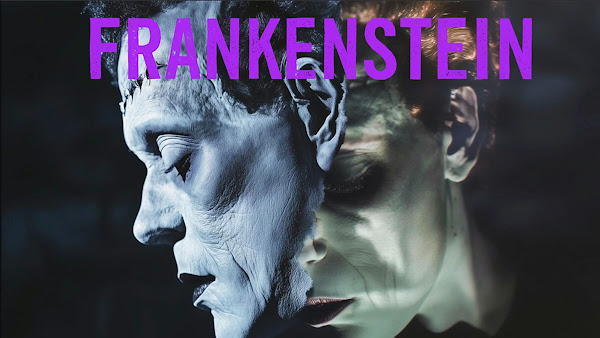
Mary Shelley’s Frankenstein works as an extended metaphor for what happens when a creator abandons what they bring into existence—whether a child, a team, or a culture. The creature’s destructive arc in the novel reflects how neglect and externalized control program people to wear protective masks; freeing yourself means claiming an internal locus of control and redesigning your behavioral “software.”
Why Frankenstein still matters to parenting and leadership
Mary Shelley’s story goes beyond a horror tale. Dr. Victor Frankenstein creates life and then recoils from and abandons his creation. That abandonment is the core image: a maker who refuses to guide, accept, or take responsibility for the being they produced.
Seen through a parenting or leadership lens, the novel exposes what happens when creators neglect culture, feedback, and ongoing care—how neglect begets isolation, confusion, and destructive behavior.
How childhood “masks” form
Early programming and the need to belong
From a young age we learn which actions produce approval and which invite rejection. Because children depend on adults for safety and belonging, many adopt an external locus of control: they behave to fit the environment rather than to express an authentic inner life.
Protective masks people build
To survive judgment or trauma, children commonly develop protective personas. Examples include:
- The people-pleaser: prioritizes other people’s comfort over internal truth.
- The overachiever: seeks approval through accomplishments.
- The tough exterior: hides vulnerability behind anger or indifference.
- The chameleon: adapts to whichever group is present to avoid rejection.
Wearing these masks over time creates inner conflict: maintaining appearances consumes energy and prevents building genuine self-worth.
Behavioral cascades: old software running new lives
When childhood gaps go unexamined, external influences rush in. As the original text noted, “Marketing, consumerism, pop culture, and social movements quickly nudge their way in to fill the vulnerable gaps in our identity. If you don’t intentionally design your own architecture, the outside world will design it for you.” Those influences can turn into automatic reaction patterns—behavioral cascades—where an old insecurity cues an adult response without conscious thought.
For example: someone who felt invisible when young may buy flashy items to be noticed, yet feel embarrassed when that attention arrives—caught between craving visibility and a desire to hide.
Shifting from external control to full ownership
You cannot rewrite the facts of your past, but you can change how your internal software runs. Moving from blaming upbringing to taking responsibility is not self-recrimination; it is the practical step that frees you from reactive patterns.
Practical steps to dismantle the masks
- Take inventory: list the personas you adopt in different settings and note the emotions that accompany them.
- Question origin: ask when each mask first made sense—what situation or message created it?
- Experiment with new behaviors: try small acts that reflect your values rather than old survival scripts.
- Track progress: measure changes in feeling and response, not just external outcomes.
- Engage peers or a coach: reflection and dialogue help reveal blind spots and sustain practice.
When you consistently choose actions aligned with an internal locus of control, masks naturally lose power and authenticity grows.
Community resources and further reading
To explore the philosophical underpinnings of agency, see Existentialism and Human Freedom on Stanford Encyclopedia of Philosophy. For narrative approaches to rewriting personal myths, you can read Jena Malone on The Flowering Wand and Rewriting Myths.
For structured practice, Syndicate X members work on these frameworks inside the private Syndicate X Community Platform. To track daily change and apply leadership models, see the I AM LEADER Workbook for Leadership Mastery.
Frequently Asked Questions (FAQs)
Why is Frankenstein used as an analogy for parenting and leadership?
The novel demonstrates the consequences when a creator neglects what they produce. In parenting or leadership, failing to guide, accept, or steward a child, team, or culture creates conditions—neglect, fear, confusion—that later express as harmful behaviors. The analogy emphasizes responsibility over mere creation.
In what ways do protective masks impede growth?
Masks are survival tools that become limiting when retained past their usefulness. Keeping multiple personas requires constant management and diverts energy from learning, honest relationships, and true achievement. Over time, masks create anxiety and a sense of inner split between who you are and who you appear to be.
What exactly is a “behavioral cascade”?
A behavioral cascade is a chain reaction where an unexamined childhood belief or fear automatically triggers adult actions. These responses happen without deliberate thought because they were wired early and reinforced by experience.
Where can I find the full video course and community materials?
The full set of masterclasses, study guides, and community discussions is hosted inside the private Syndicate X Community Platform. For applied practice tools, consider the I AM LEADER Workbook for Leadership Mastery, and to begin reading, claim the I AM Leader Bookset.
Drop the mask and take one step today
We all carry fragments of the “monster”—behaviors shaped by early neglect or the wish to belong. You are no longer a passive product of your upbringing. Start with one honest observation: which mask do you notice in daily life? Then choose one small action that expresses an inner value rather than an old survival habit.
Claim your copy of the I AM Leader Bookset and join Syndicate X Library to begin actively redesigning the architecture of your leadership and identity.
Related reading on techharvey.com: Is Your Locus of Control Blocking Your Power of Choice?; Why Breaking Free From Autopilot Is the Ultimate Life Shift.